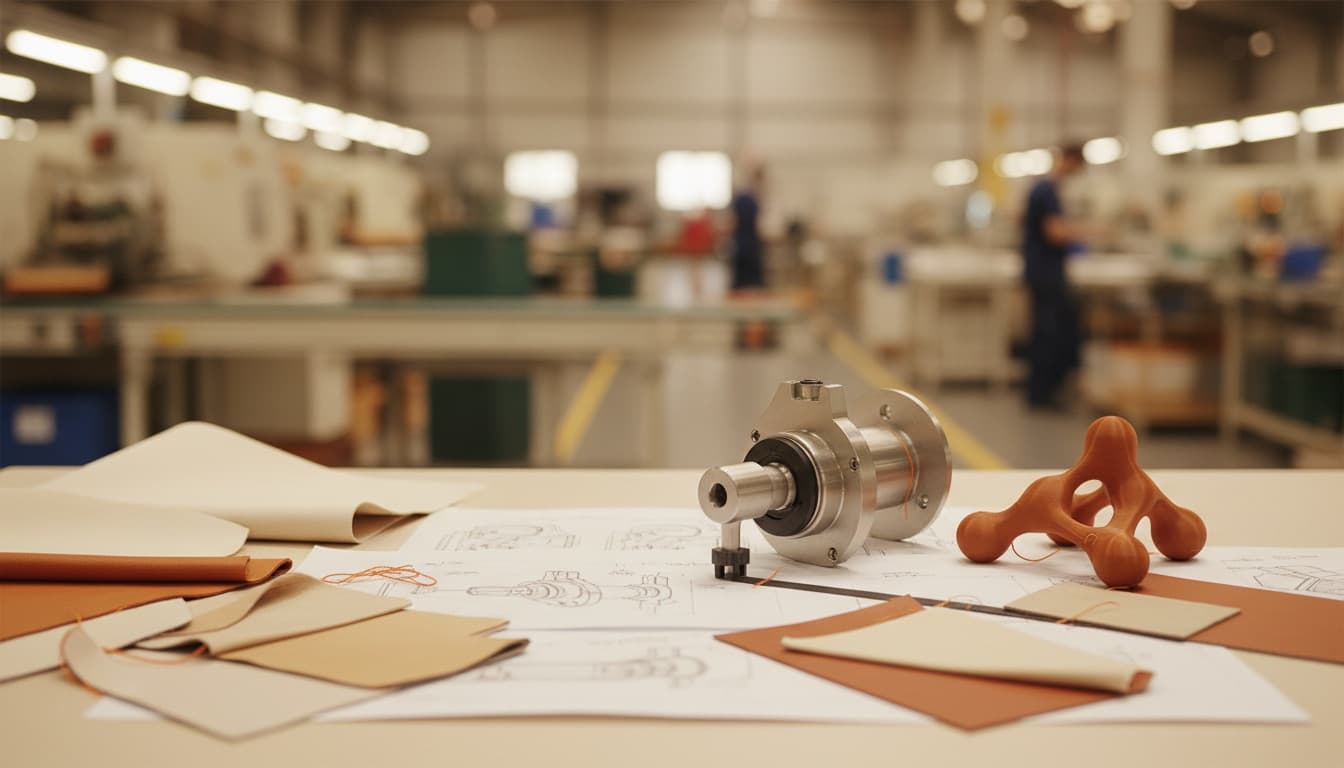
What Is an OEM Manufacturer?
What is an OEM manufacturer, how does OEM production work, and how do you find one? Learn the process, benefits and what to check when choosing a supplier.
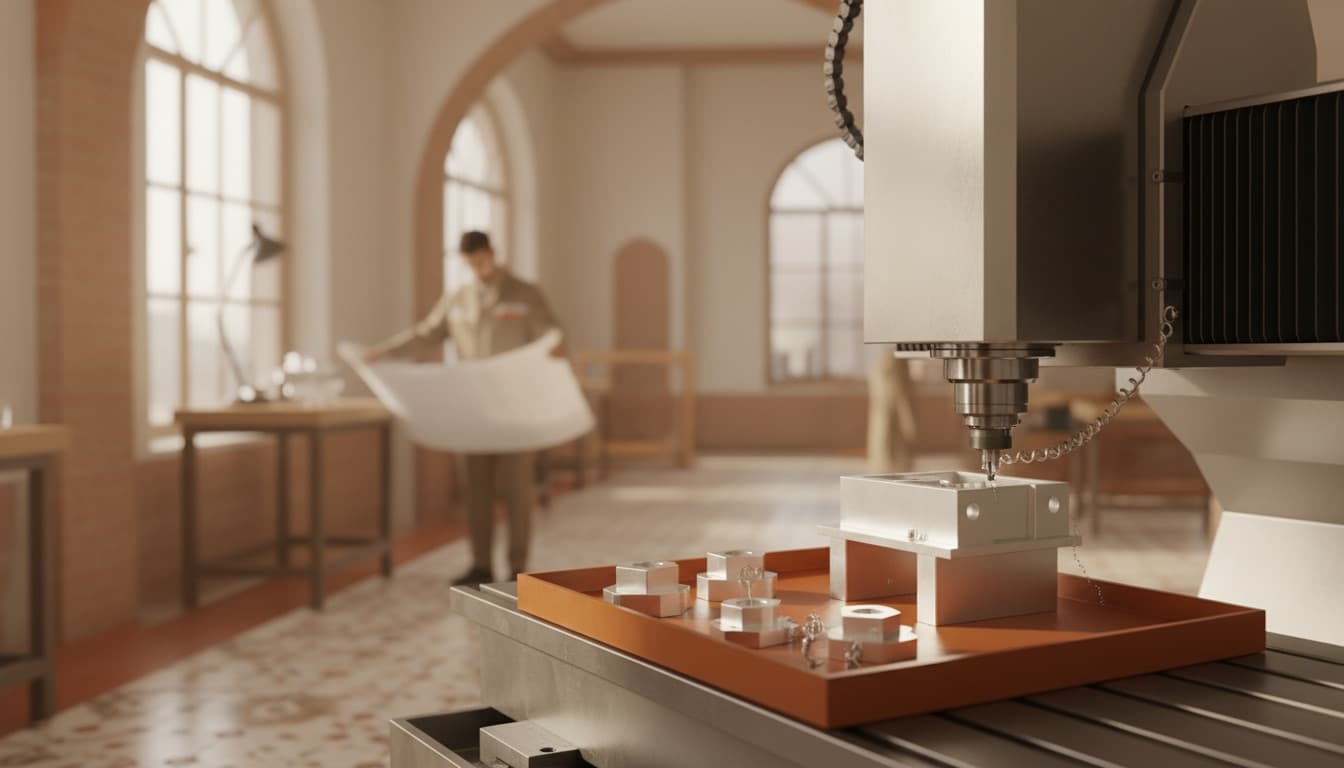
OEM manufacturing is a concept that businesses run into when they want to sell products under their own brand. Used in electronics, automotive, machinery, textiles and many other industrial product categories, the OEM model can involve a product being made by another company according to specified design or technical requirements.
Working with an OEM manufacturer can help businesses source products without building their own production facilities, or outsource parts of their product development process. However, the scope of the term "OEM" can vary depending on the industry and the commercial agreement.
So what is an OEM manufacturer, how does it work, and how do you find one?
What Is OEM?
OEM stands for "Original Equipment Manufacturer." It is generally used to refer to the producer of the original equipment.
The OEM concept can refer to the production of a part, component or piece of equipment used in another company's product or system. In some industries, it is also used for companies that manufacture according to a design and technical specification provided by the customer.
For this reason, it is important to know that the term OEM does not describe exactly the same commercial model in every industry.
For example, an automotive supplier may produce a part that meets a vehicle manufacturer's technical requirements. An electronics manufacturer may also prepare a component that meets specific technical requirements.
What Does an OEM Manufacturer Do?
An OEM manufacturer's job is to ensure that the agreed product or component is produced in line with the specified technical requirements.
Depending on the scope of services the manufacturer offers, the process may include the following stages:
- Reviewing the technical specification
- Selecting materials and components
- Production planning
- Preparing a prototype or sample
- Mass production
- Quality control
- Packaging and delivery
Some OEM manufacturers only handle production, while others may also support engineering, product development or testing. The scope of these services should be clarified at the quotation stage.
How Does OEM Production Work?
The OEM production process varies depending on the buyer's needs and the technical complexity of the product. In general, the following steps may be followed.
1. Define the product and technical requirements
The buyer defines the function, dimensions, materials and performance criteria of the product to be made. Existing drawings or technical files can be shared with the manufacturer.
2. Research manufacturer candidates
Companies with the capacity, technical know-how and equipment needed to make the product are identified. A manufacturer's prior experience producing similar products can be useful in your evaluation.
3. Get quotes and production terms
Unit price, minimum order quantity, tooling (mold) cost, lead time, payment terms and quality criteria are discussed.
4. Evaluate the sample or prototype
The product is checked against the requirements. If necessary, changes are made and approval is obtained before production.
5. Carry out mass production and quality control
Production is carried out according to the approved terms. Inspection methods, acceptance criteria and how nonconforming products will be handled should be agreed in advance.
6. Plan delivery and follow-up orders
Product delivery, packaging, inventory management and reorder terms are clarified.
What Are the Advantages of OEM Production?
Under the right conditions, OEM production can offer businesses several advantages.
It can reduce the need to invest in production infrastructure. Instead of building its own factory, a business can use existing production capacity.
It can provide access to specialized manufacturing skills. Working with a manufacturer experienced in specific product categories can help meet technical requirements.
It can make production capacity more flexible. A business can consider planning production volumes according to demand without expanding its own facilities.
It can support the market entry process. Working with a company that already has production infrastructure in place can shorten the start-up time in some projects. However, product development, testing and approval stages can still take time.
These advantages do not arise automatically. The manufacturer's competence, the complexity of the product, order volume and contract terms all affect the outcome.
What Is the Difference Between OEM and Contract Manufacturing?
The concepts of OEM and fason (contract) manufacturing may overlap in some cases, but they do not always mean the same thing.
Fason, or contract manufacturing, generally refers to a business having its production work done by another business. OEM, depending on the industry, may describe the production of a specific product, piece of equipment or component according to technical requirements.
For example, a brand may have a textile product sewn by another company based on a technical file it has prepared. This process may be called contract manufacturing. A supplier that produces a special component according to a machine manufacturer's technical specification, on the other hand, may be considered in an OEM context.
Regardless of the term used, the actual scope of services should be defined in the contract.
How Do You Find an OEM Manufacturer?
To find an OEM manufacturer, first determine your product's technical requirements and which production processes you need.
Then follow these steps:
- Prepare a technical file: Define dimensions, materials, performance criteria and any drawings.
- Research the right industry and product category: Search using the product's technical name instead of generic terms.
- Verify production capacity: Ask whether the manufacturer has the necessary machinery, equipment and quality processes.
- Compare quotes: Evaluate price, minimum order quantity, tooling cost, delivery and payment terms.
- Request samples and tests: Where possible, check that the product meets the requirements before mass production.
- Sign a contract: Put the technical specification, quality responsibility, intellectual property and delivery terms in writing.
On Uretico, you can search for manufacturers by product name or product photo and discover relevant businesses. However, you need to confirm directly with each company whether it offers OEM services.
What to Look for When Choosing an OEM Manufacturer
To choose the right OEM manufacturer, evaluating the price quote alone is not enough.
Review the following criteria:
- Production experience with similar products
- Capacity to meet technical requirements
- Quality control and testing processes
- Minimum order quantity
- Production and delivery schedule
- Communication and technical support
- Confidentiality and intellectual property terms
- Procedure for defective products
If your industry requires certifications or conformity documents, verify their validity as well.
Conclusion
Depending on the industry and the contract, an OEM manufacturer can refer to a business that produces products, equipment or components according to specific technical requirements. This model can be an option for companies that want to benefit from specialized production services without building their own production infrastructure.
When looking for an OEM manufacturer, clearly define your product's technical requirements, verify the manufacturer's capacity, evaluate sampling and testing processes, and put all commercial terms in writing.
With Uretico, you can search for manufacturers suited to your product, discover new supplier connections and compare alternatives for your production process.